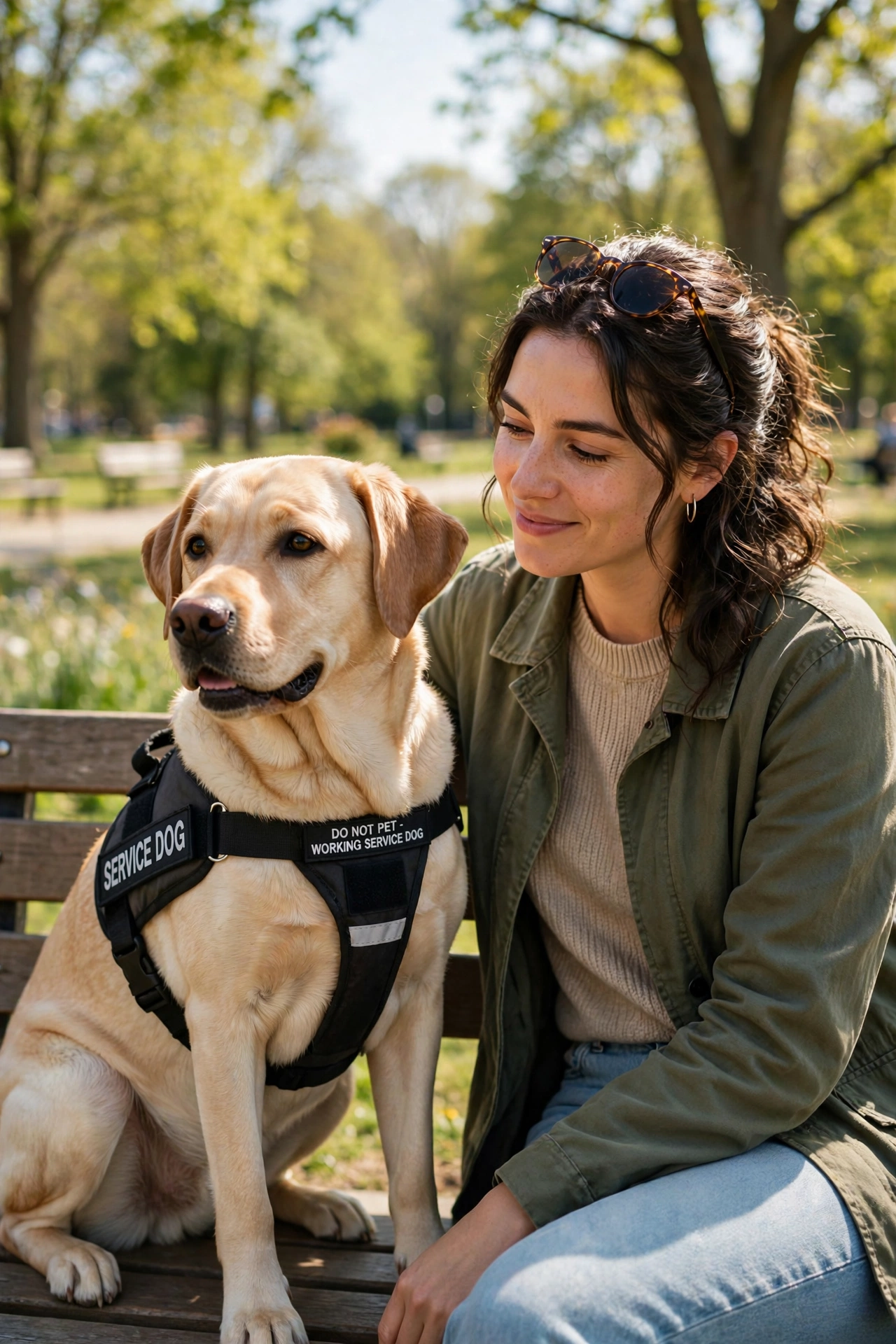
22 Best Service Dog Breeds for Every Lifestyle
Service dog breeds are dog breeds commonly chosen for trained assistance work, from guiding a blind handler through a crowd to alerting a deaf owner to a doorbell, and 22 Best Service Dog Breeds for Every Lifestyle covers large and small breeds, short and long coats, calm companions and high-energy partners, so there is a match here for apartments, farms, busy families, and quiet homes alike. Picture a steady Labrador guiding its handler across a street, a tiny Papillon tapping a leg to signal a sound, and a gentle Bernese leaning in to steady its person on the stairs. That is the payoff: the right dog, matched to your daily life, trained task by task into a partner you can rely on. Here are 22 ideas worth saving — and stealing.
Why 22 Best Service Dog Breeds for Every Lifestyle Work So Well
Service dogs began as guide dogs for blind veterans after the First World War, and the work has grown far beyond guiding since then. Today service dogs assist with mobility, balance, hearing, medical alerts, and psychiatric support, and the best breed for each job depends on the handler’s body, home, energy, and daily routine. A tall person who needs balance support and a small apartment dweller who needs sound alerts will rarely choose the same dog.
Temperament and trainability matter more than breed alone, but breed still sets the starting point. Retrievers bring eagerness to please, herding breeds bring focus and stamina, small companion breeds bring portability and lap-sized calm, and giant breeds bring the size and strength for bracing and pulling tasks. Coat type decides grooming time, energy decides exercise needs, and size decides whether the dog fits under a desk or in a small car.
Service dog breeds are in demand because trained assistance changes daily life in practical ways. A dog that retrieves dropped keys, interrupts a panic attack, or alerts to a seizure gives its handler freedom to work, travel, and live alone with more confidence. Interest keeps growing as more people learn that service work covers far more than guiding, and that many breeds can learn task work with the right training.
Beginners should respect a few limits. No breed guarantees service qualification, since individual temperament, health, and training decide the outcome. Service-dog qualification rules and public-access rights vary by country and region, so owners should check local rules and work with a qualified trainer before starting. Choose the dog for your real life, not for looks, and plan for 18 to 24 months of training before the dog works reliably in public.
| Element | Pet Dog Life | Service Dog Partnership |
|---|---|---|
| Philosophy | A companion chosen for company and fun | A working partner matched to tasks and lifestyle |
| Materials | Everyday gear: leash, bowl, bed, toys | Working gear: vest, task harness, training equipment |
| Color palette | Any coat color you fancy | Coat colors vary by breed, from black Labs to merle Collies |
1. Labrador Retriever: The All-Round Partner Everyone Starts With
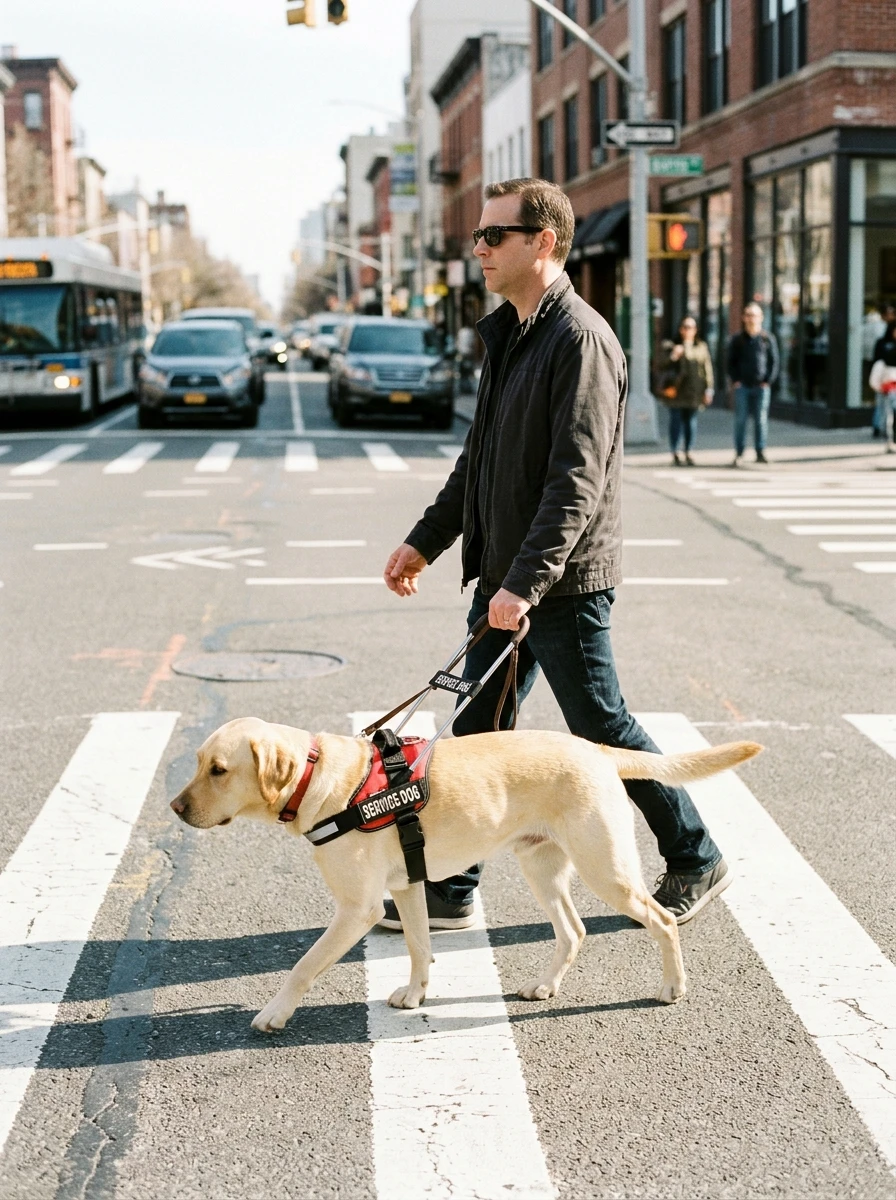
Vibe: Steady, eager, and endlessly willing, the partner that suits almost every job.
Why it works: Labradors combine a calm temperament, strong food motivation, and a sturdy medium-large build, which makes them the most common choice for guide, mobility, and psychiatric work alike. They learn quickly, recover fast from mistakes, and stay friendly in crowded places.
How to get it: Look for a breeder or program that health-tests hips, elbows, and eyes, and pick a puppy that is curious but not frantic. Plan 45 to 60 minutes of daily exercise, weekly brushing for the short double coat, and formal training with a professional service-dog trainer, starting with basic obedience before task work. Training costs vary widely, from a few thousand dollars for owner-training with professional help to far more through a full program, and the process usually takes 18 to 24 months.
💡 Quick Win: Teach a solid “settle” on a mat in the first month, since calm waiting underlies nearly every public task.
Shop The Look
Product Search
- Training treat pouch with waist clip
- Dog training clicker set
- Leather training leash 6 foot
- Rope tug toy for rewards
- Training whistle with lanyard
Also view: 13 Elegant Ideas for Dog Ice Cream Recipe You’ll Love
2. Golden Retriever: The Gentle Soul for Psychiatric and Mobility Work
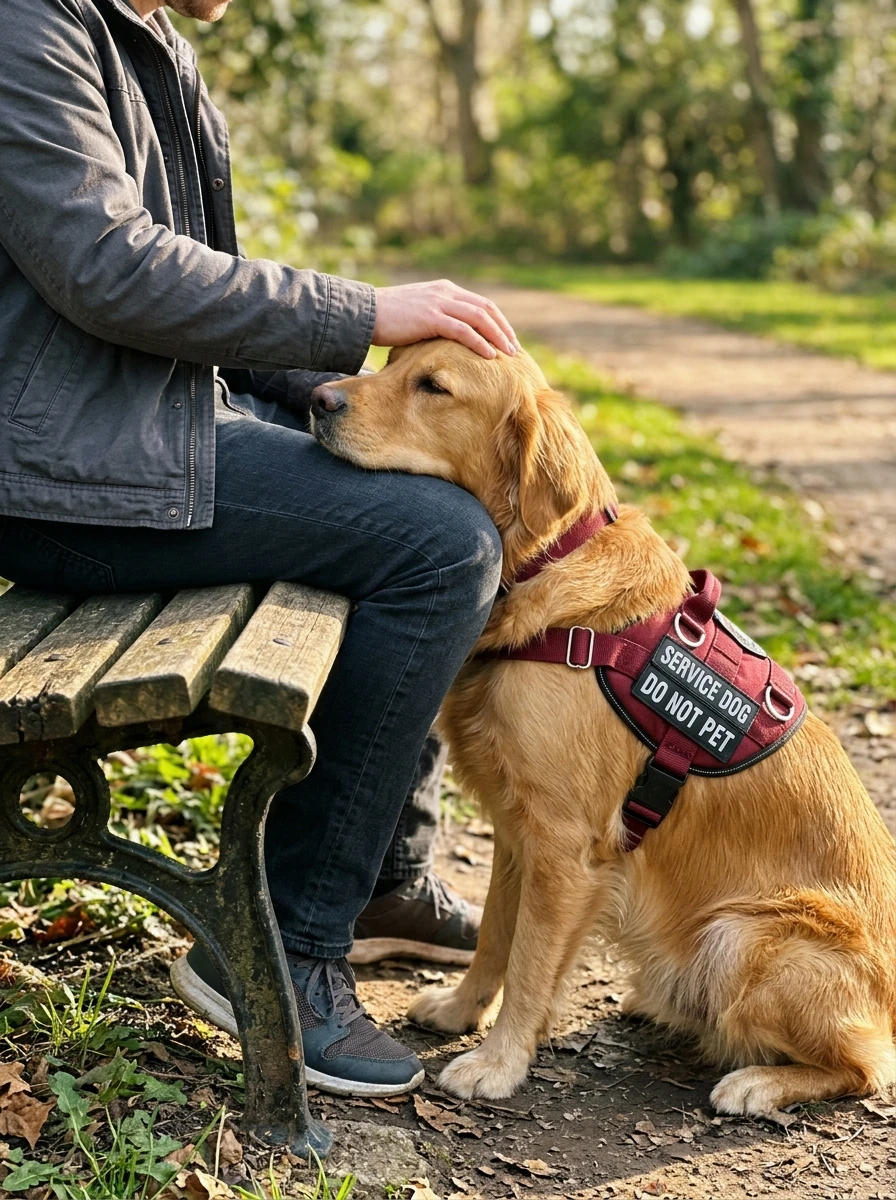
Vibe: Warm, patient, and tuned in to people, the dog that notices how you feel.
Why it works: Goldens read human moods well, which suits psychiatric tasks like deep pressure therapy and anxiety interruption, and their size and strength also handle mobility tasks such as retrieving and opening doors. They are forgiving of beginner training mistakes and stay gentle with children and strangers.
How to get it: Choose a line bred for calm temperament rather than field intensity, and budget time for coat care, since the long feathered coat needs brushing several times a week. Plan daily walks plus play, and work with a trainer on public manners early, since Goldens love greeting everyone. Service-dog rules and access rights vary by region, so check local rules before working in public.
Shop The Look
Product Search
- Service dog vest with handle
- No-pull front-clip harness
- Reflective vest patches set
- Padded handle harness attachment
- Vest ID card holder
3. German Shepherd: The Focused Worker for Demanding Tasks
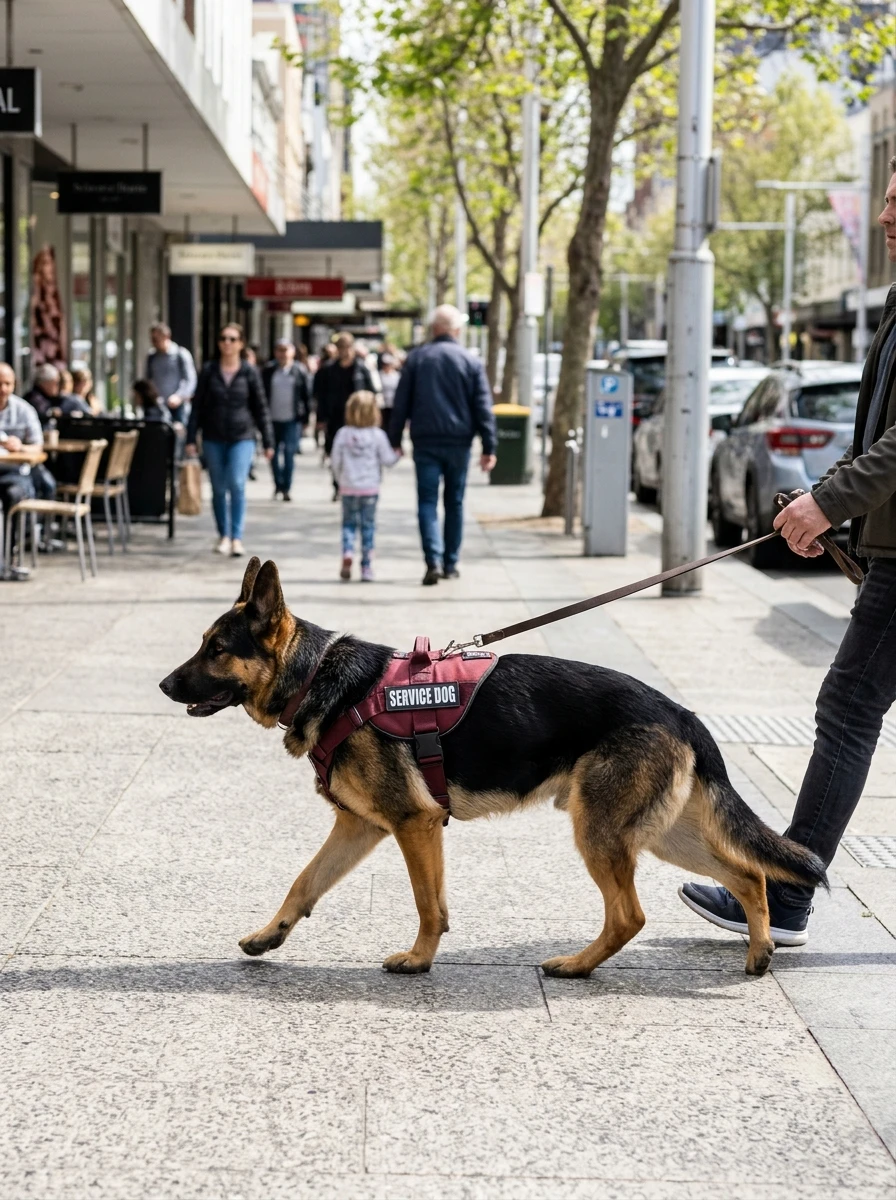
Vibe: Sharp, loyal, and serious about work, the dog for handlers who want focus.
Why it works: German Shepherds bring intelligence, stamina, and a strong work drive, which suits complex task chains and long working days. Their size supports mobility tasks, and their alertness suits psychiatric and medical alert roles for experienced handlers.
How to get it: This breed suits confident handlers, since Shepherds need clear leadership, consistent rules, and 60 to 90 minutes of daily exercise plus mental work. Socialize heavily as a puppy to prevent suspicion of strangers, and choose a trainer experienced with the breed. Hip and elbow health testing matters, and grooming is a weekly brush for the medium double coat.
💡 Quick Win: Practice “watch me” in mildly distracting places before busy ones, since focus is this breed’s working currency.
Shop The Look
Product Search
- Large breed joint supplement chews
- Orthopedic dog bed large
- Hip support harness
- Slow feeder bowl large
- Dental chew sticks large
4. Standard Poodle: The Smart, Low-Shed Choice for Allergy Homes
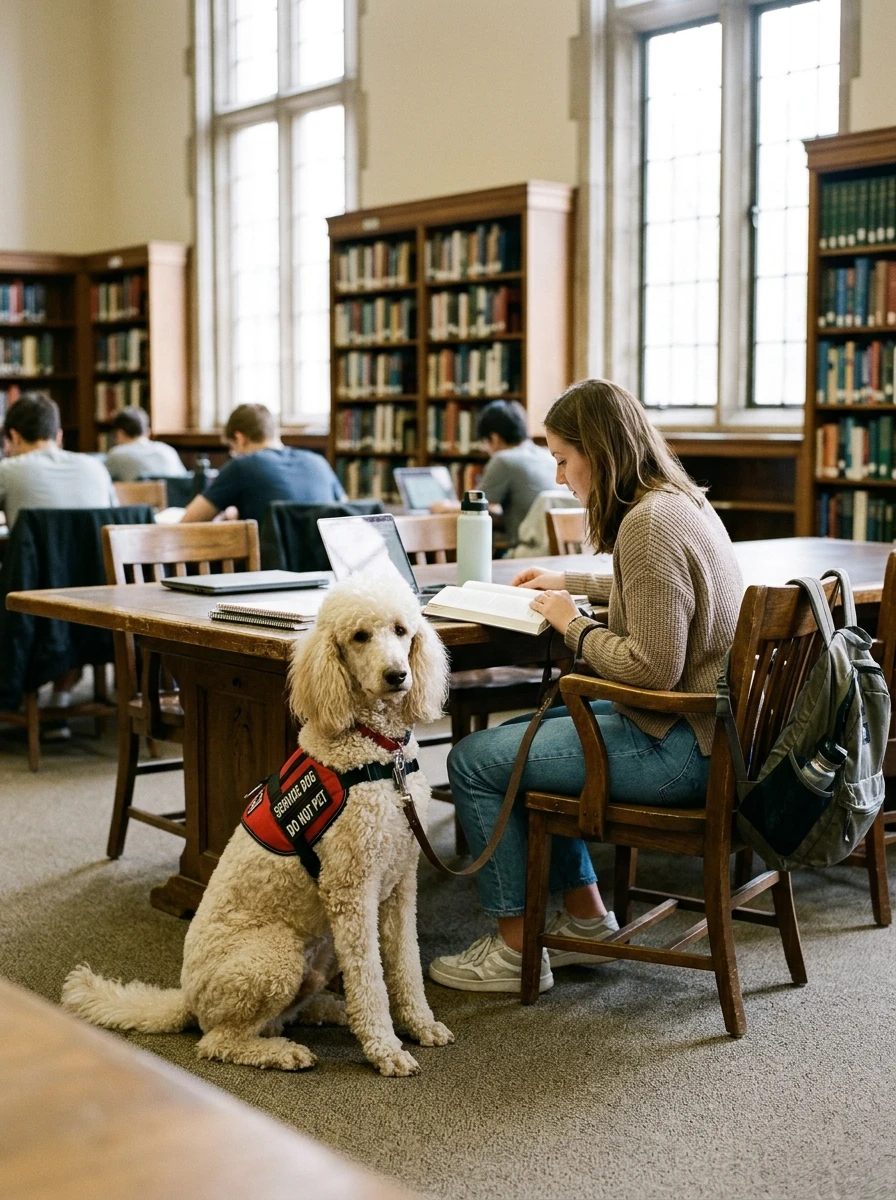
Vibe: Clever, neat, and quick to learn, the worker for homes that need low shedding.
Why it works: Poodles rank among the most trainable breeds, pick up new tasks fast, and shed very little, which suits handlers with allergies or tidy homes. Their athletic build handles mobility tasks, and their alert nature suits medical alert work.
How to get it: Budget for professional grooming every 6 to 8 weeks plus brushing between visits, since the curly coat mats without care. Plan daily exercise and puzzle games, since a bored Poodle invents its own jobs. Pick a trainer who uses reward-based methods, as Poodles shut down under harsh handling.
Shop The Look
Product Search
- Slicker brush for curly coats
- Steel grooming comb
- Dog grooming scissors set
- Detangling spray for dogs
- Portable grooming table
5. Labradoodle: The Friendly Cross for Families and First-Time Handlers
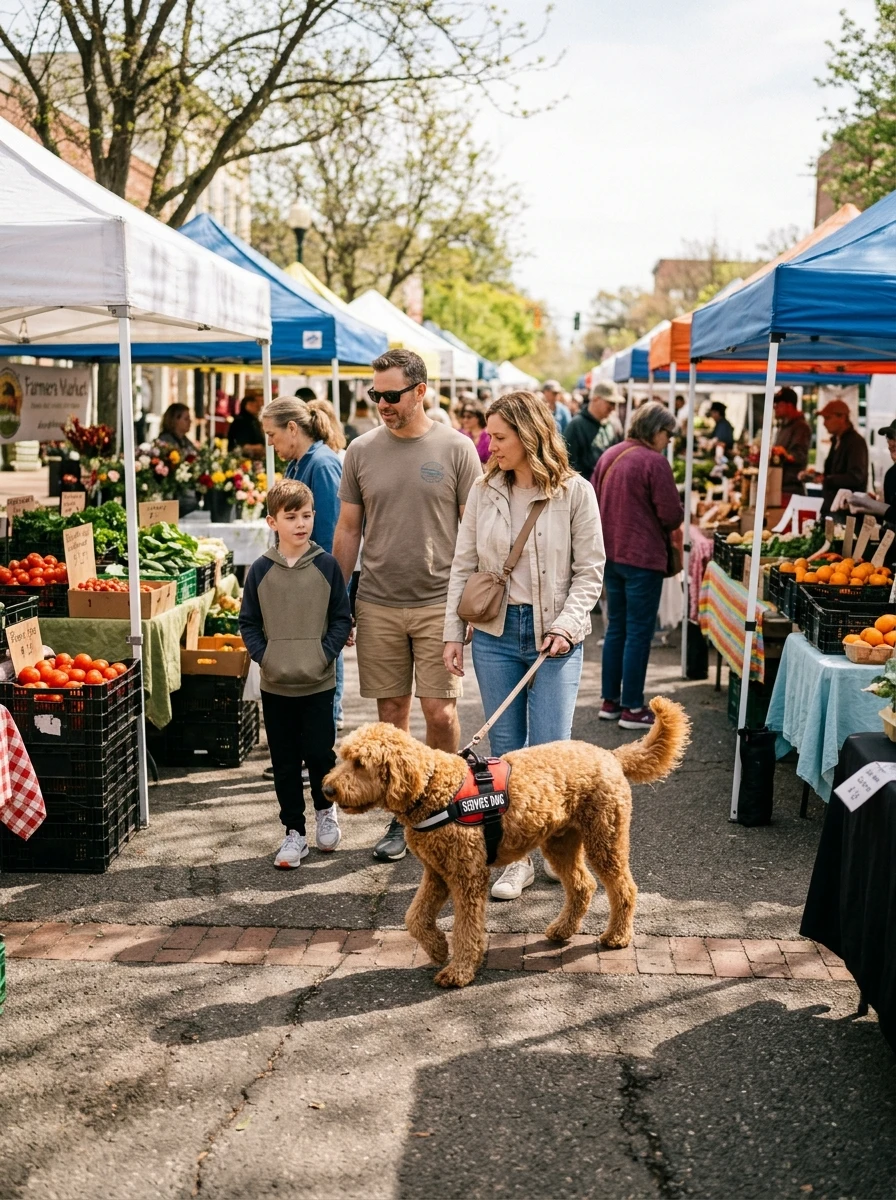
Vibe: Friendly, bouncy, and easy to live with, the cross that fits family life.
Why it works: Labradoodles blend Labrador eagerness with Poodle smarts, and many have lower-shedding coats, which makes them popular for psychiatric and mobility work in busy households. They tend to be social, adaptable, and quick to bond with the whole family.
How to get it: Coat type varies from puppy to puppy, so meet the parents and ask about shedding before committing, and plan regular grooming. Give 45 to 60 minutes of daily exercise, and train calm greetings early, since friendliness can turn into jumping. Work with a qualified trainer on task training, and check local service-dog rules before public work.
💡 Quick Win: Reward four paws on the floor at every greeting for the first three months, and jumping rarely becomes a habit.
Shop The Look
Product Search
- Stainless steel slow feeder bowl
- Elevated feeder stand medium
- Portion measuring scoop set
- Lick mat for meal enrichment
- Spill-proof water bowl
6. Goldendoodle: The Social Partner for Active, Outgoing Homes
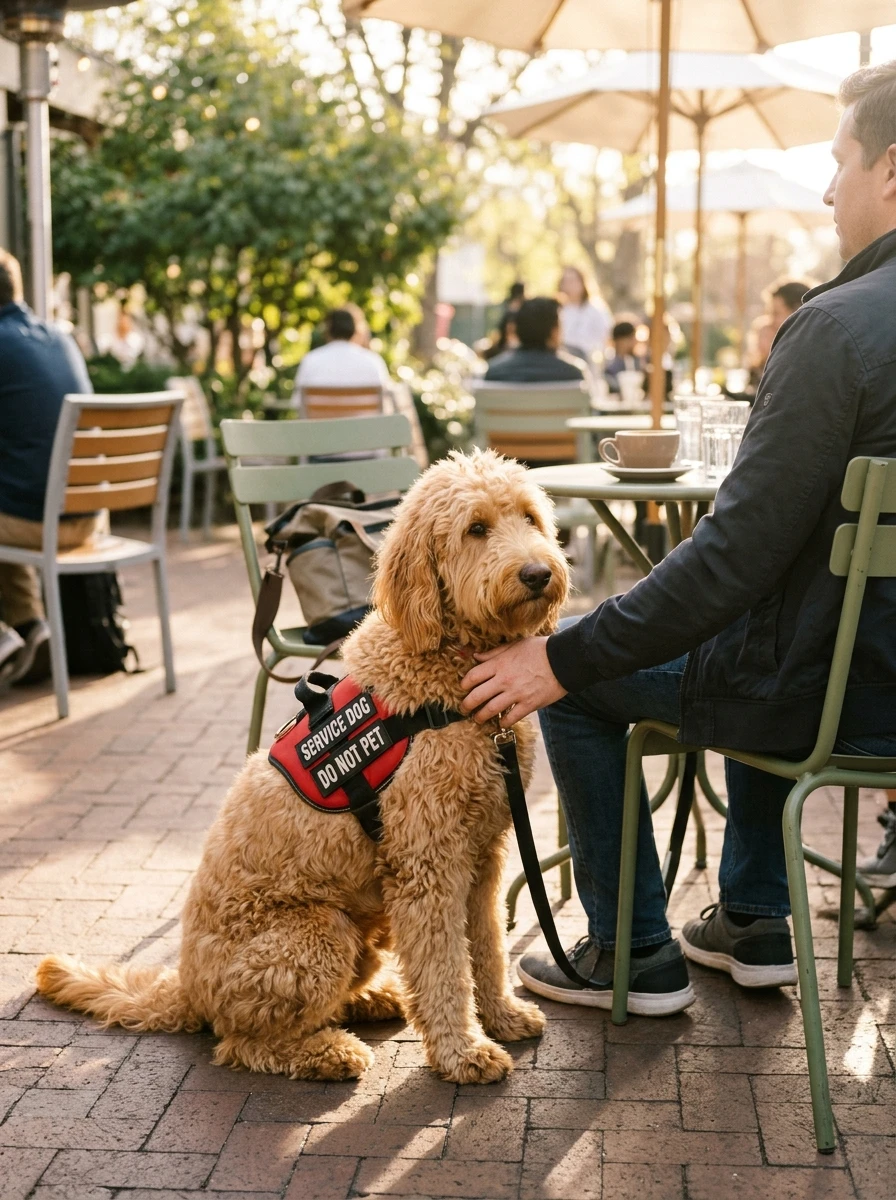
Vibe: Outgoing, cheerful, and people-loving, the dog that thrives in social settings.
Why it works: Goldendoodles combine Golden warmth with Poodle trainability, which suits psychiatric tasks and public-facing work where the dog meets many strangers. Their medium-large size handles light mobility tasks, and their coat often sheds less than a Golden’s.
How to get it: Expect a wavy or curly coat that needs brushing several times a week and grooming every 6 to 8 weeks. Plan an hour of daily activity, and teach the dog to ignore food on the ground and attention from strangers, since both tempt this social breed. Choose a breeder who health-tests hips, elbows, and eyes.
Shop The Look
Product Search
- Hands-free waist leash
- Double-handle traffic leash
- Poop bag dispenser with clip
- LED collar light
- Reflective dog collar
7. Border Collie: The Sharp Mind for Active Handlers
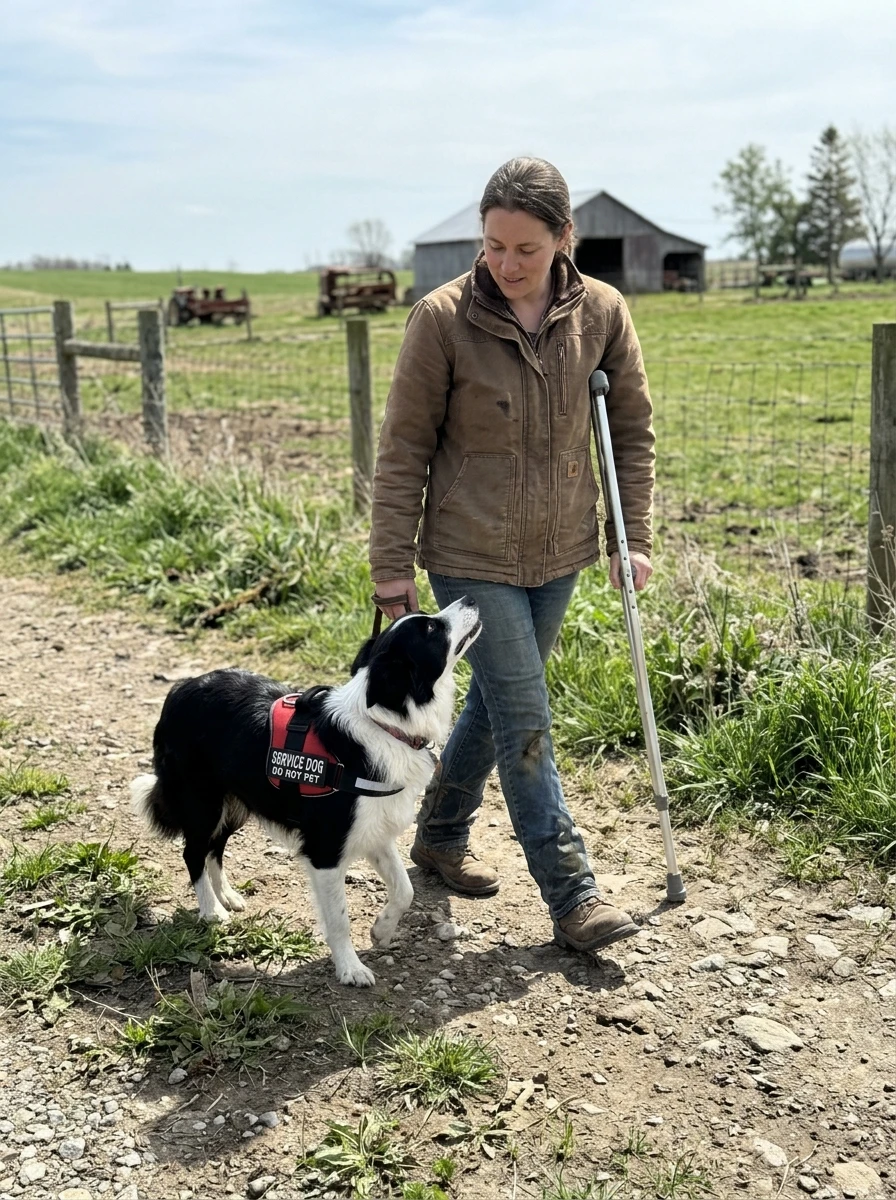
Vibe: Brilliant, driven, and always thinking, the dog for handlers who love to train.
Why it works: Border Collies learn tasks faster than almost any breed and thrive on complex work, which suits psychiatric tasks, medical alerts, and multi-step routines for active handlers. Their stamina covers long days, and their focus holds even in busy places.
How to get it: This breed needs a job every day, so plan 90 minutes of exercise plus training games, puzzle feeders, and task practice. Without enough work, a Border Collie herds children, chases cars, or invents chores, so this match suits handlers who enjoy training as a hobby. Work with a trainer who channels drive rather than fighting it.
💡 Quick Win: End every training session with a short play reward, so the dog stays eager for the next session.
Shop The Look
Product Search
- Puzzle feeder toy level 2
- Snuffle mat for dogs
- Herding ball toy
- Flirt pole toy
- Treat-dispensing ball
8. Australian Shepherd: The Athletic Partner for Outdoor Lifestyles
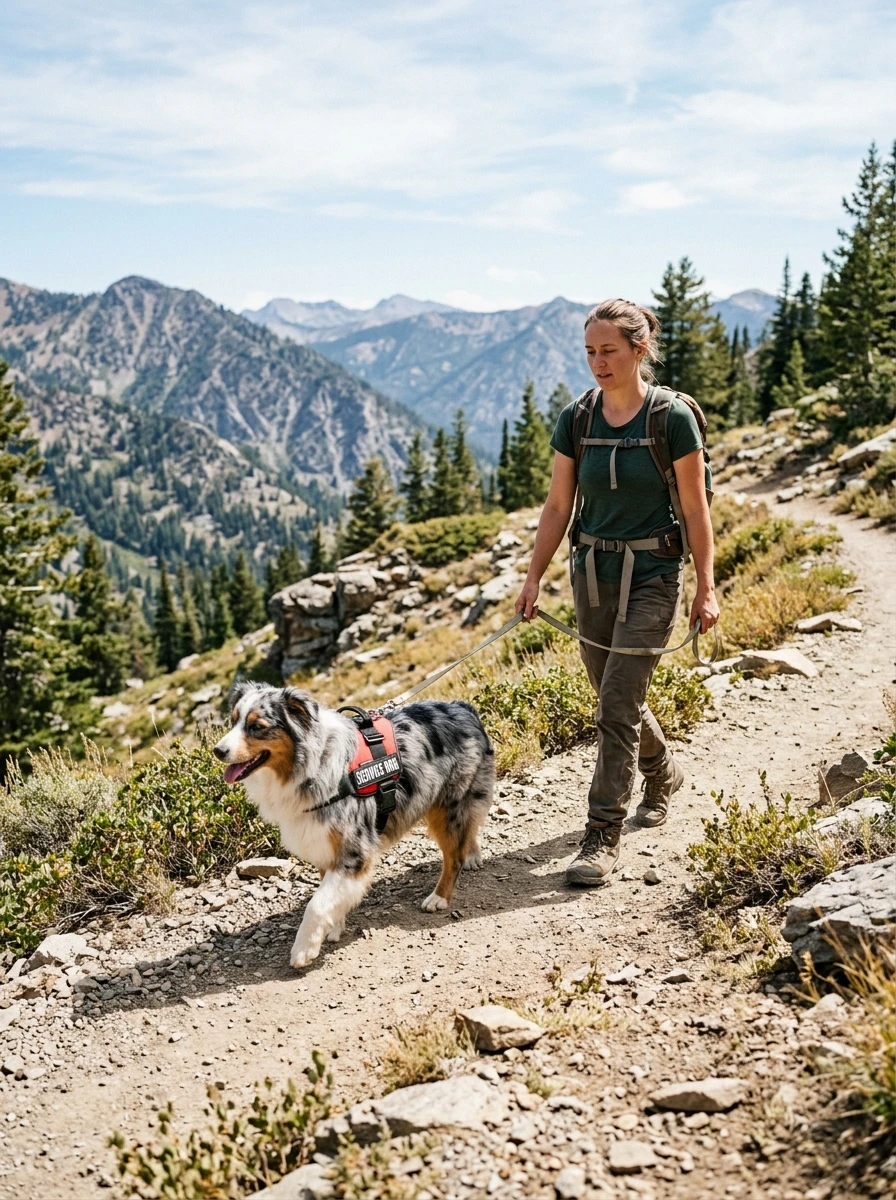
Vibe: Athletic, loyal, and full of energy, the dog for handlers who live outdoors.
Why it works: Australian Shepherds bond deeply with one person, learn tasks quickly, and keep up on hikes, runs, and long working days. Their medium size fits cars and homes, and their alertness suits medical alert and psychiatric work.
How to get it: Plan 60 to 90 minutes of daily exercise plus mental work, and brush the medium double coat weekly. Herding instinct needs an outlet, so teach a strong recall and a settle cue early. This breed suits active handlers better than sedentary ones, and a qualified trainer can shape its drive into reliable task work.
Shop The Look
Product Search
- Car seat cover hammock
- Crash-tested car harness
- Travel water bottle with bowl
- Foldable travel dog bed
- Collapsible travel crate
9. Shetland Sheepdog: The Bright Small Worker for Alert Tasks
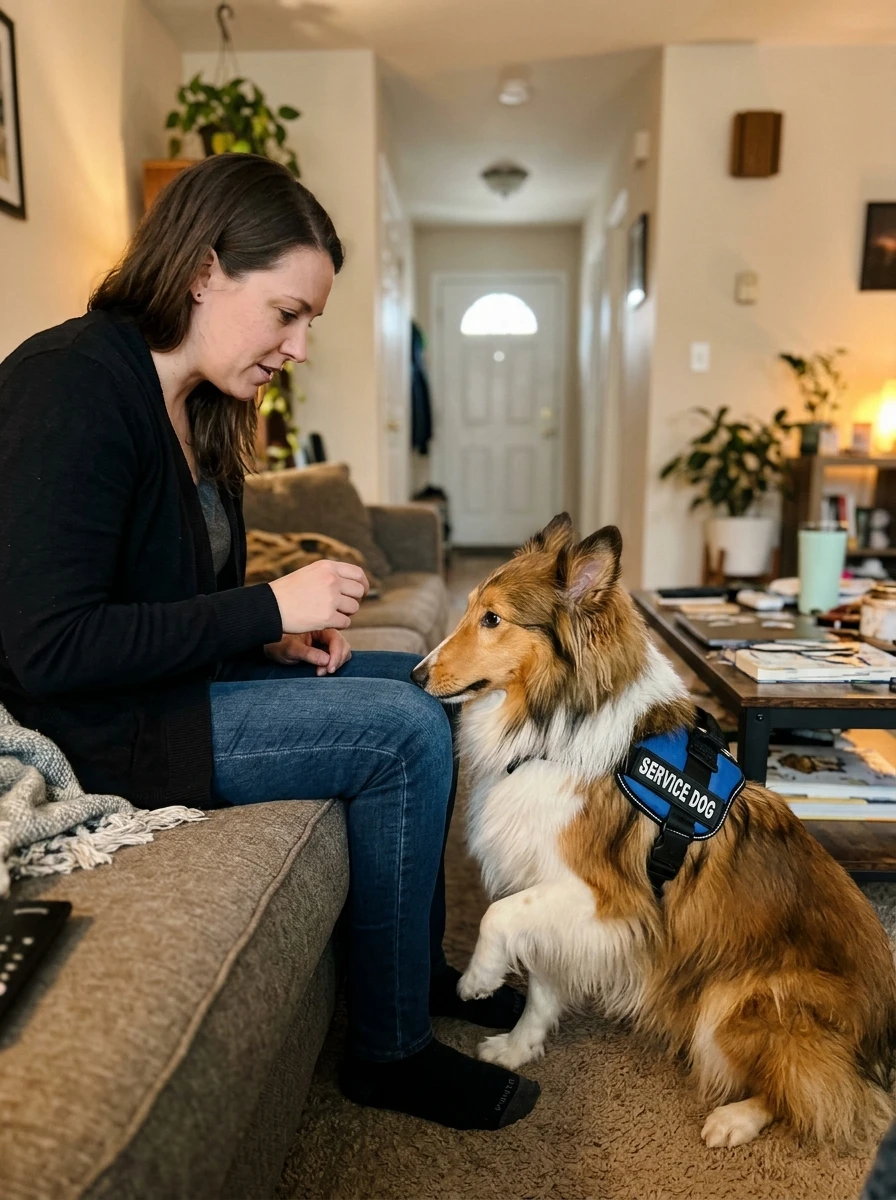
Vibe: Bright, sensitive, and eager to please, the small dog with a big work ethic.
Why it works: Shelties learn fast, love routine, and notice small sounds and changes, which suits hearing tasks and psychiatric alerts in homes and apartments. Their small-medium size fits tight spaces, and their gentle nature suits calm households.
How to get it: Brush the long double coat several times a week to prevent mats, and plan 30 to 45 minutes of daily exercise plus training games. Shelties can be barky and shy with strangers, so socialize early and train a quiet cue. They suit handlers who want a smaller worker with herding-breed smarts.
💡 Quick Win: Pair every new sound with a treat in the first weeks, so alert training starts as a happy game.
Shop The Look
Product Search
- Target stick for training
- Training platform mat
- Boundary training flags set
- Reward treat jar
- Training treat dispenser bottle
10. Cocker Spaniel: The Merry Companion for Hearing and Psychiatric Work
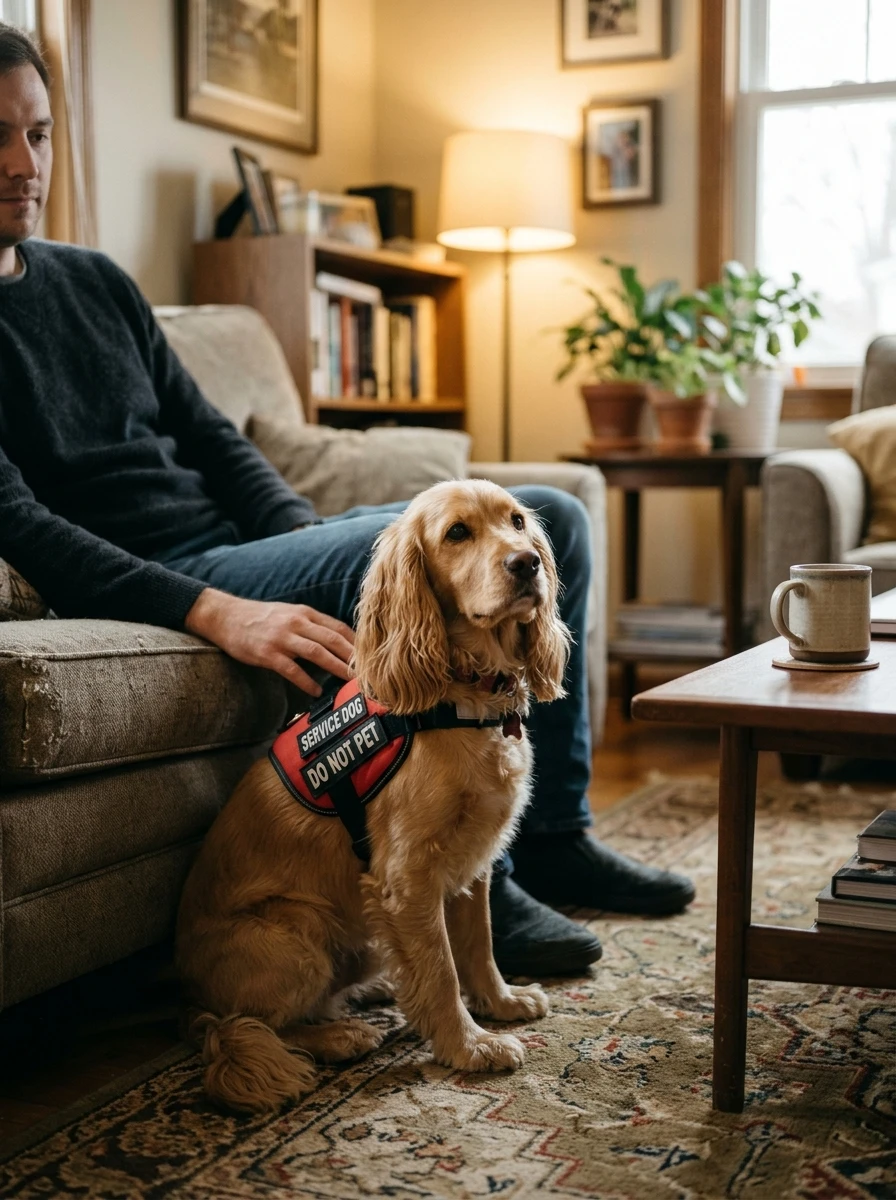
Vibe: Merry, soft, and affectionate, the dog that lifts the mood of a room.
Why it works: Cockers are gentle, people-focused, and quick to learn, which suits hearing tasks and psychiatric support in homes where a medium-small dog fits best. Their soft temperament suits handlers who want a calm, cuddly worker rather than a high-drive one.
How to get it: Plan ear care, since floppy ears trap moisture and need regular cleaning, plus brushing several times a week for the silky coat. Give 30 to 45 minutes of daily walks and play, and train with gentle, reward-based methods. Check local service-dog rules before public work, and work with a qualified trainer on task reliability.
Shop The Look
Product Search
- Ear cleaning solution for dogs
- Pin brush for medium coats
- Dematting comb tool
- Dog ear drying powder
- Coat conditioning spray
11. Cavalier King Charles Spaniel: The Lap-Sized Partner for Psychiatric Support
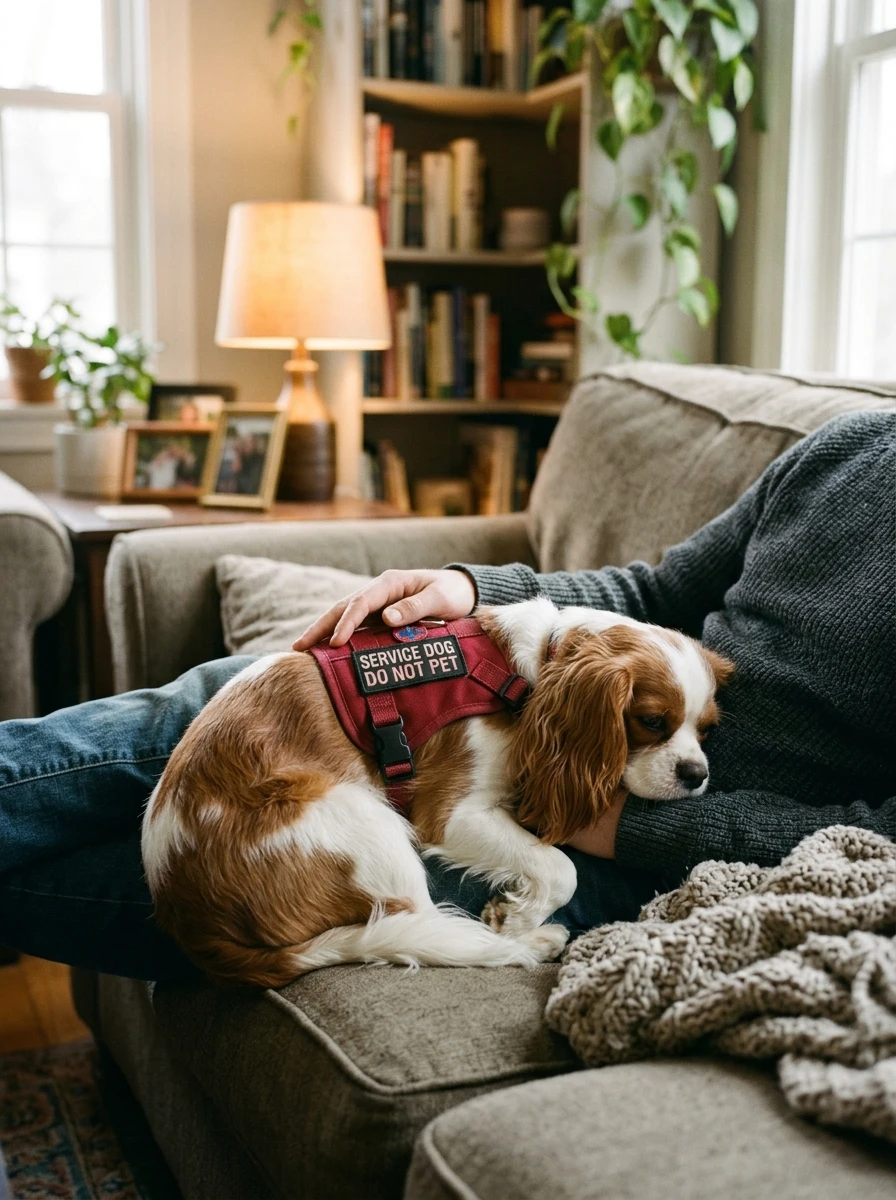
Vibe: Sweet, calm, and made for laps, the small dog with a steady heart.
Why it works: Cavaliers crave human contact and stay calm in laps and arms, which suits deep pressure therapy, anxiety interruption, and psychiatric tasks where closeness is the task itself. Their tiny size means they travel anywhere and fit small homes.
How to get it: Choose a breeder who health-tests hearts and eyes, since the breed carries known risks, and keep exercise gentle at 20 to 30 minutes a day. Brush the silky coat a few times a week, and train with patience, since Cavaliers learn willingly but slowly compared with herding breeds. They suit handlers who need comfort tasks more than mobility work.
💡 Quick Win: Teach “lap” as a first task cue, since it becomes the base for deep pressure work.
Shop The Look
Product Search
- Small breed dental treats
- Calming diffuser refill
- Pet stairs for small dogs
- Soft plush donut bed small
- Joint chews small breed
12. Papillon: The Tiny Listener for Hearing Tasks
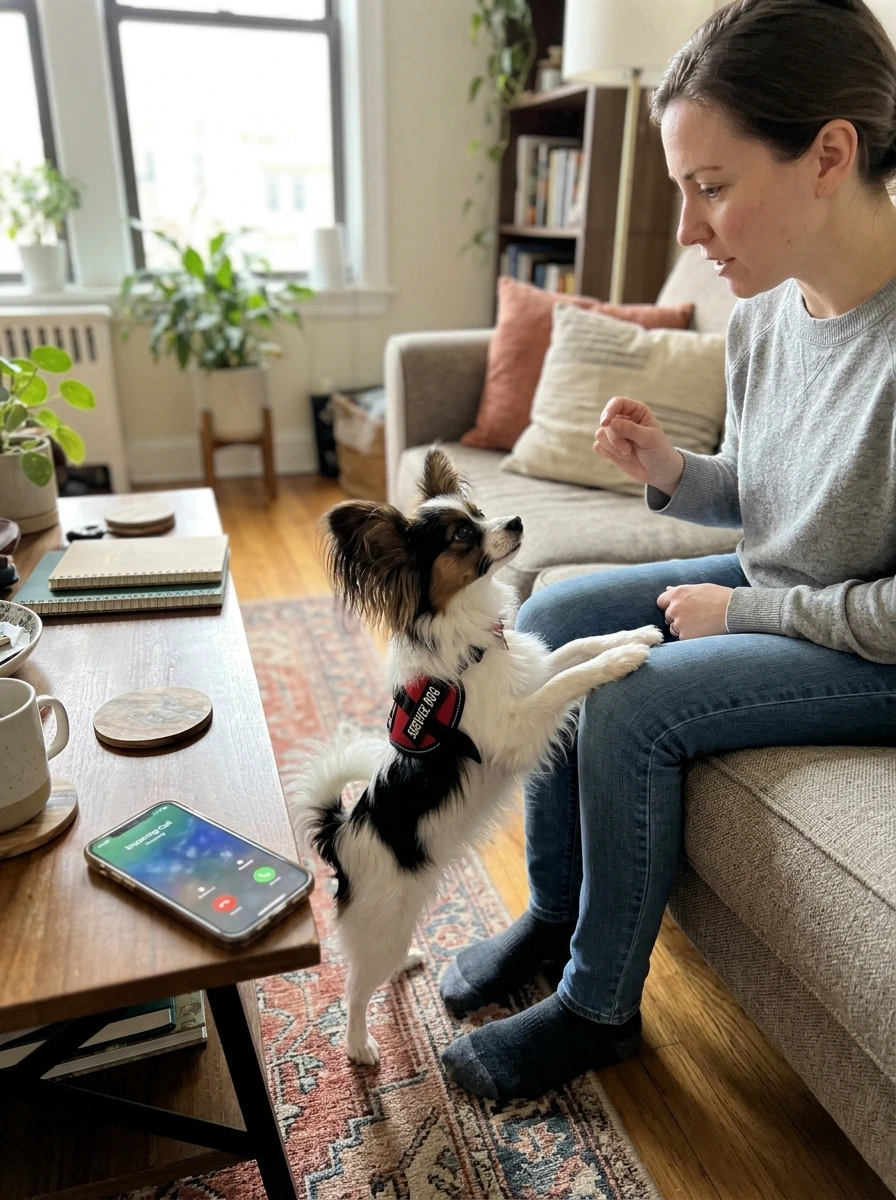
Vibe: Tiny, alert, and surprisingly bold, the listener that fits in a tote bag.
Why it works: Papillons hear well, learn fast, and notice sounds that larger dogs miss, which makes them strong hearing dogs despite their size. They travel easily, cost little to feed, and suit apartment handlers who need sound alerts rather than physical tasks.
How to get it: Plan 20 to 30 minutes of daily play and short training sessions, since Papillons learn quickly but bore fast. Socialize early to keep confidence high, and protect them from rough handling and large-dog parks. They suit handlers who want a portable worker and are happy to train with small, frequent rewards.
Shop The Look
Product Search
- Lightweight service vest small
- Tiny dog harness vest
- Small dog ID tag set
- Mini treat pouch for small dogs
- Lightweight 4-foot leash
13. Miniature Poodle: The Small, Smart Worker for Tight Spaces
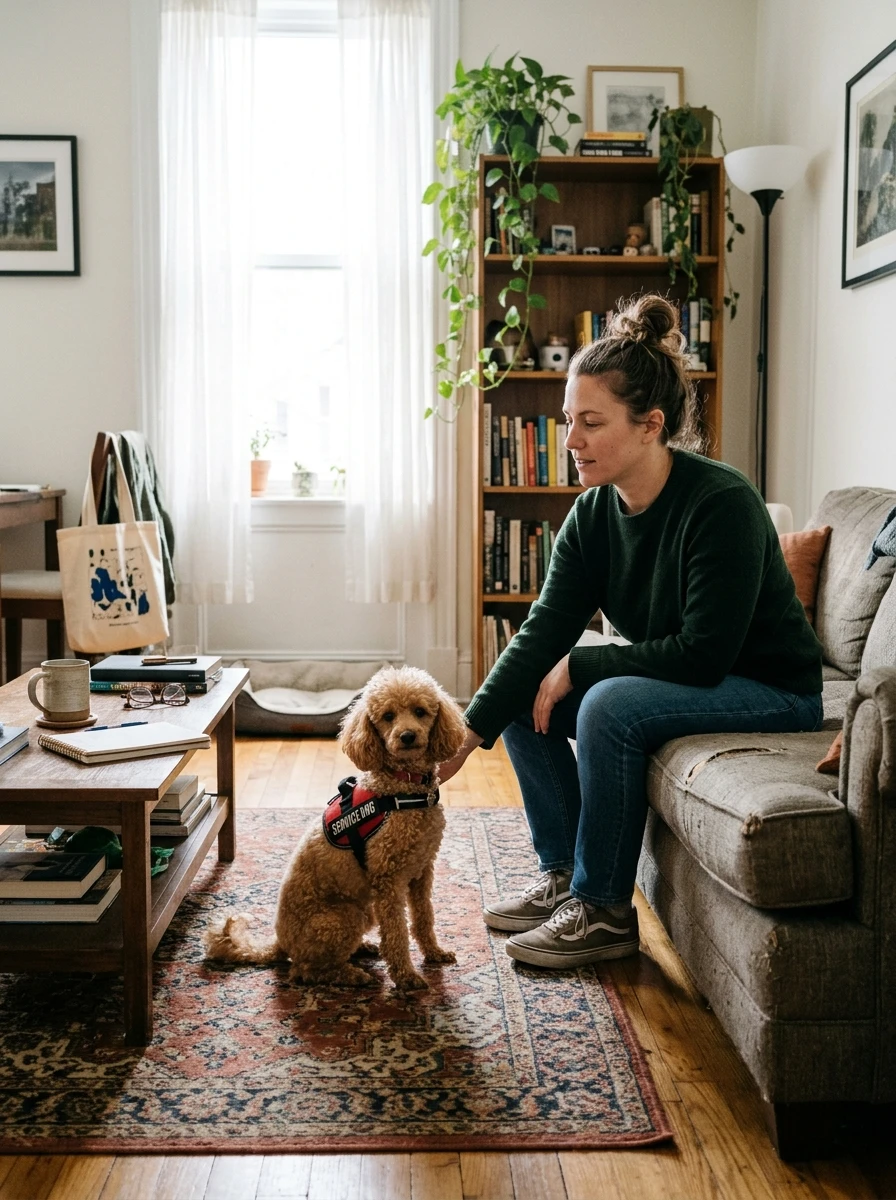
Vibe: Neat, clever, and compact, the small Poodle with full-size brains.
Why it works: Miniature Poodles pack Standard Poodle trainability into a 10 to 15 pound body, which suits psychiatric tasks, medical alerts, and hearing work in apartments and small cars. Their low-shed coat helps allergy-sensitive homes.
How to get it: Budget for grooming every 6 to 8 weeks plus brushing between visits, and plan 30 minutes of daily exercise plus puzzle games. Train with rewards and variety, since Miniature Poodles love learning but dislike dull repetition. They suit handlers who want a smart worker that fits under a desk.
💡 Quick Win: Rotate three short training games each week, so the dog stays sharp without getting bored.
Shop The Look
Product Search
- Small slicker brush
- Mini grooming clippers
- Face trimming scissors rounded
- Gentle puppy shampoo
- Grooming loop restraint
14. Boxer: The Sturdy, Playful Partner for Mobility and Psychiatric Work
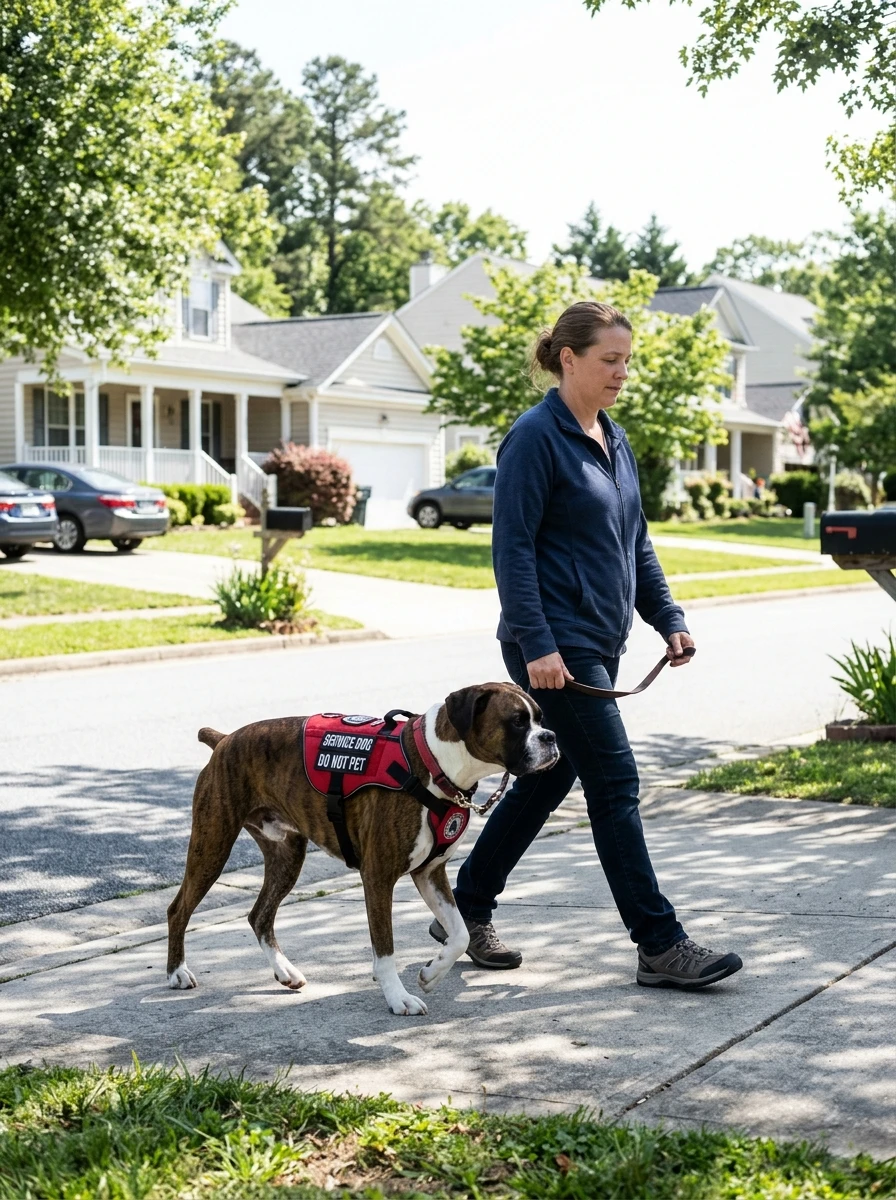
Vibe: Strong, playful, and devoted, the dog that leans into its work.
Why it works: Boxers are sturdy, athletic, and deeply bonded to their people, which suits mobility tasks, balance support, and psychiatric work where a solid, affectionate presence helps. Their short coat needs little grooming, and their energy suits active handlers.
How to get it: Plan 60 minutes of daily exercise and train calm behavior early, since Boxers greet with jumping and excitement. Choose a breeder who health-tests hearts, and work with a trainer on impulse control before task work. They suit handlers who want a strong, fun partner and can handle a bouncy adolescent phase.
Shop The Look
Product Search
- Durable chew toy large
- Rope tug toy large breed
- Interactive treat puzzle large
- Bouncy ball launcher toy
- Frozen treat mold set
15. Bernese Mountain Dog: The Gentle Giant for Balance and Mobility
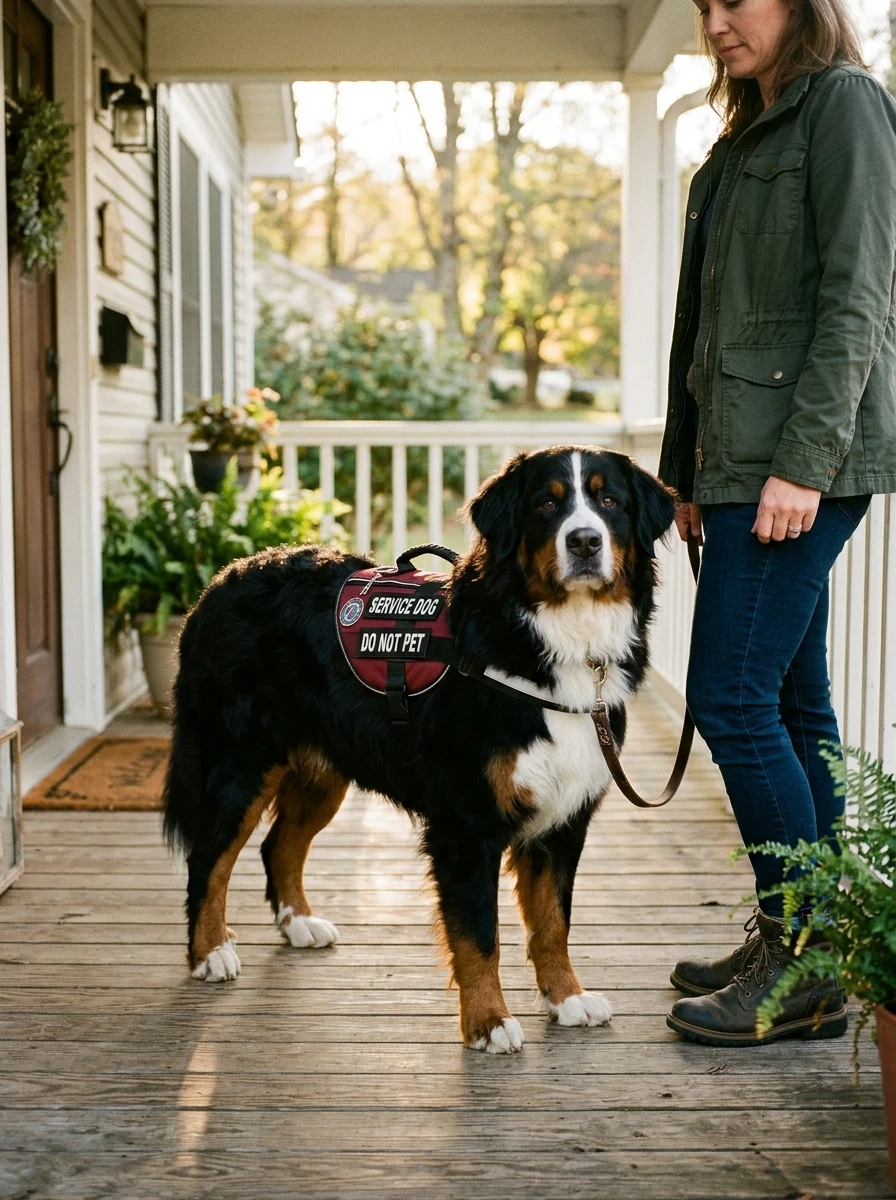
Vibe: Calm, massive, and kind, the giant that steadies both body and mood.
Why it works: Bernese Mountain Dogs are calm, strong, and patient, which suits balance support, bracing, and retrieving for handlers who need a large, steady partner. Their gentle temperament also fits psychiatric work in family homes.
How to get it: Plan for a giant dog in every sense: a large car, a big bed, and higher food and vet costs. Brush the thick double coat several times a week, keep exercise moderate at 30 to 45 minutes a day, and protect joints by avoiding stairs and jumping while young. Their working life is often shorter than smaller breeds, so plan training time with that in mind.
💡 Quick Win: Teach a rock-solid “stand” early, since steady standing is the base for balance tasks.
Shop The Look
Product Search
- Wide padded walking harness
- Cooling vest for large dogs
- Extra-long 8-foot leash
- Paw balm for rough terrain
- Large dog rain jacket
16. Great Dane: The Tall Partner for Bracing and Reaching Tasks
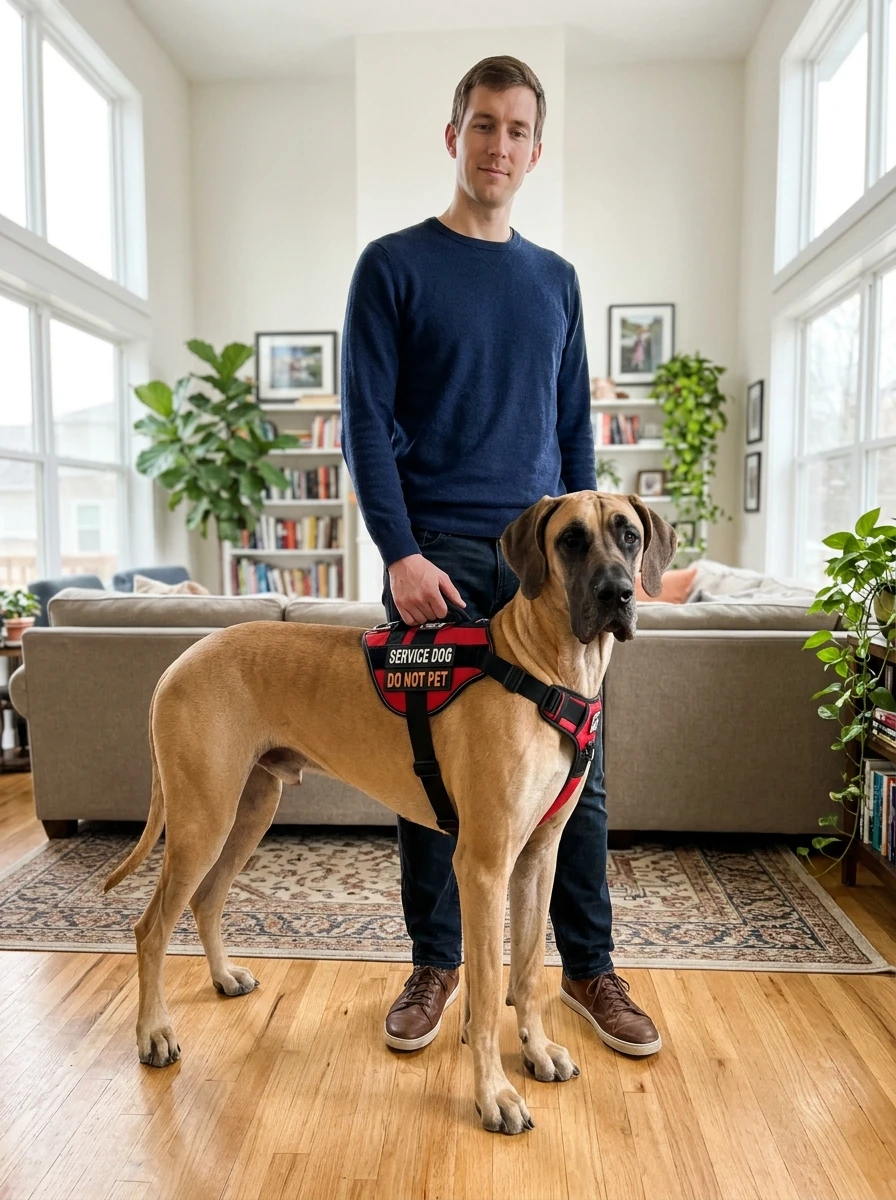
Vibe: Tall, calm, and quietly devoted, the dog that brings tasks within reach.
Why it works: Great Danes stand tall enough for counter-height retrieving and bracing tasks, and their calm temperament suits handlers who need a steady, low-energy giant. Despite their size, they are gentle indoors and content with moderate exercise.
How to get it: Budget for giant-breed costs, including food, a large crate, and a vehicle that fits the dog. Feed from an elevated bowl, avoid hard exercise while growing, and choose a breeder who health-tests hearts. Plan 30 to 45 minutes of daily walks, and train with patience, since Danes mature slowly.
Shop The Look
Product Search
- Giant breed elevated feeder
- Extra-large stainless bowl
- Slow feeder insert giant
- Large breed portion scoop
- Non-slip feeding mat extra large
17. Newfoundland: The Water-Loving Giant for Heavy Mobility Work
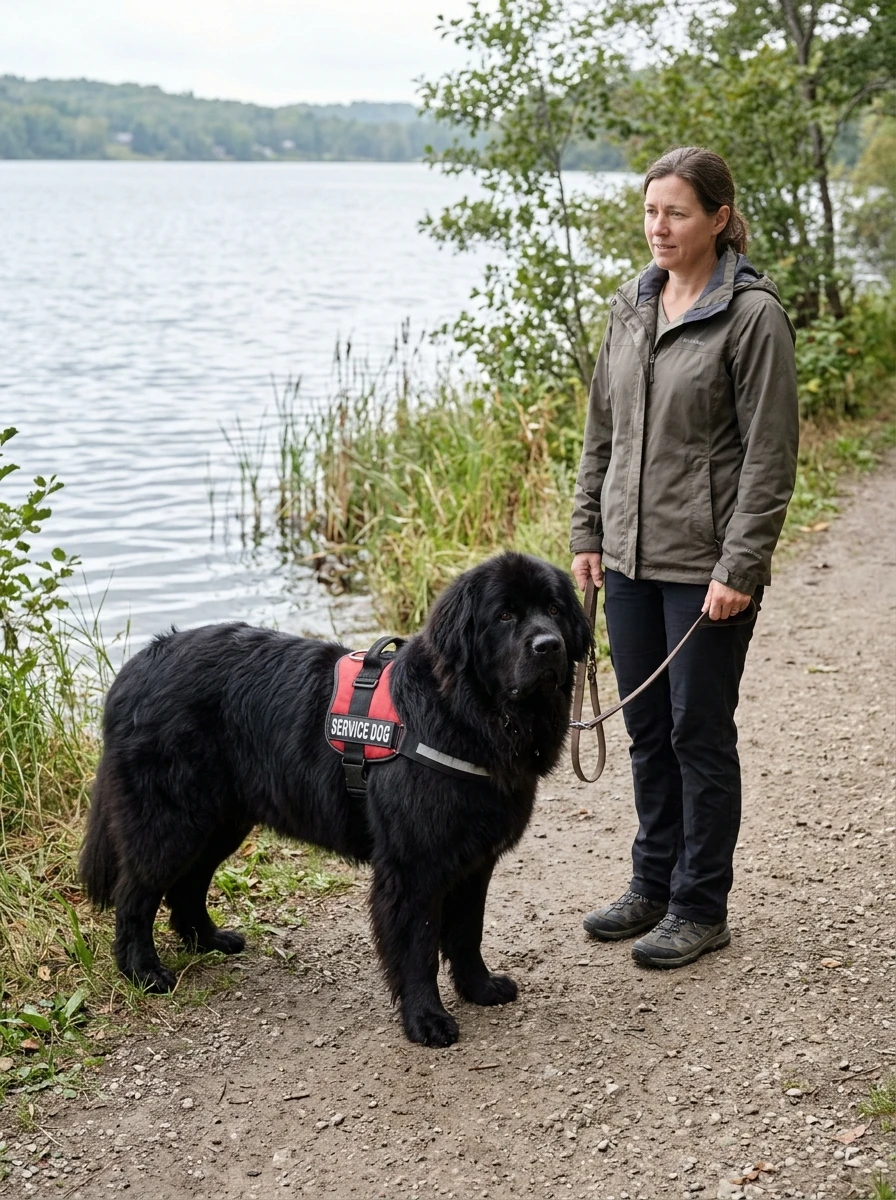
Vibe: Huge, gentle, and unflappable, the dog that takes heavy work in stride.
Why it works: Newfoundlands are immensely strong and famously gentle, which suits pulling a wheelchair, bracing, and retrieving for handlers who need serious power. Their calm nature keeps them steady in crowds, and their love of water suits handlers with outdoor lifestyles.
How to get it: Plan for heavy grooming, since the thick double coat sheds and needs brushing several times a week, plus drool management. Budget for giant-breed costs and a large vehicle, and keep exercise moderate while joints develop. Work with a trainer on harness work early, since pulling tasks need precise cues.
💡 Quick Win: Practice harness cues in an empty hallway first, so pulling tasks start clean before distractions arrive.
Shop The Look
Product Search
- Waterproof car cargo liner
- Dog life jacket extra large
- Absorbent drying towel jumbo
- Portable dog shower sprayer
- Giant breed travel crate pad
18. Rottweiler: The Confident Worker for Experienced Handlers
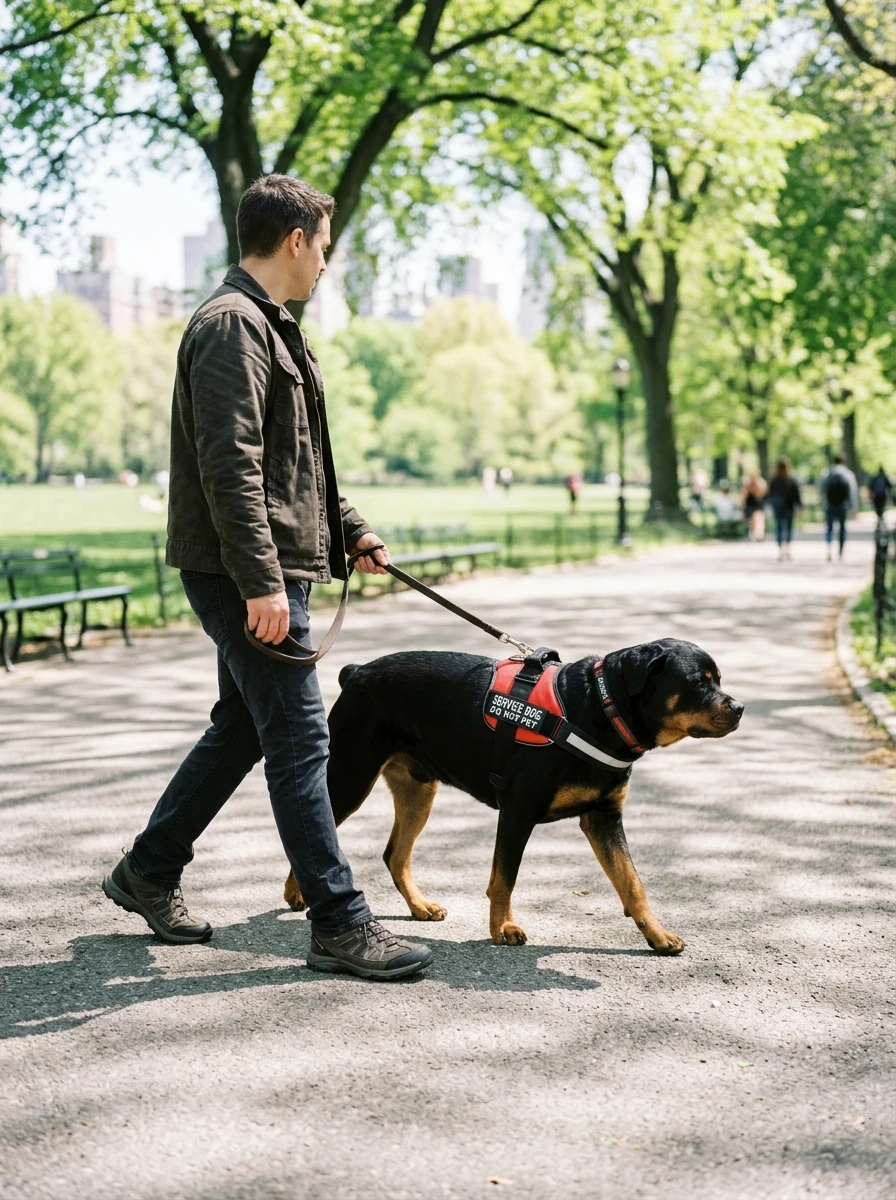
Vibe: Confident, strong, and deeply loyal, the dog for handlers who lead firmly.
Why it works: Rottweilers combine strength, intelligence, and devotion, which suits mobility tasks and psychiatric work for handlers who want a powerful, steady partner. They learn tasks well and stay calm under pressure when trained properly.
How to get it: This breed suits experienced handlers, since Rottweilers need consistent leadership, early socialization, and clear boundaries. Plan 60 minutes of daily exercise plus training, and choose a breeder who health-tests hips, elbows, and hearts. Public perception can be a hurdle, so impeccable manners and a visible vest help in daily life.
Shop The Look
Product Search
- Heavy-duty training leash
- Training vest with pockets
- Long line leash 30 foot
- Reward pouch with drawstring
- Place board for training
19. Doberman Pinscher: The Sleek, Loyal Partner for Alert Work
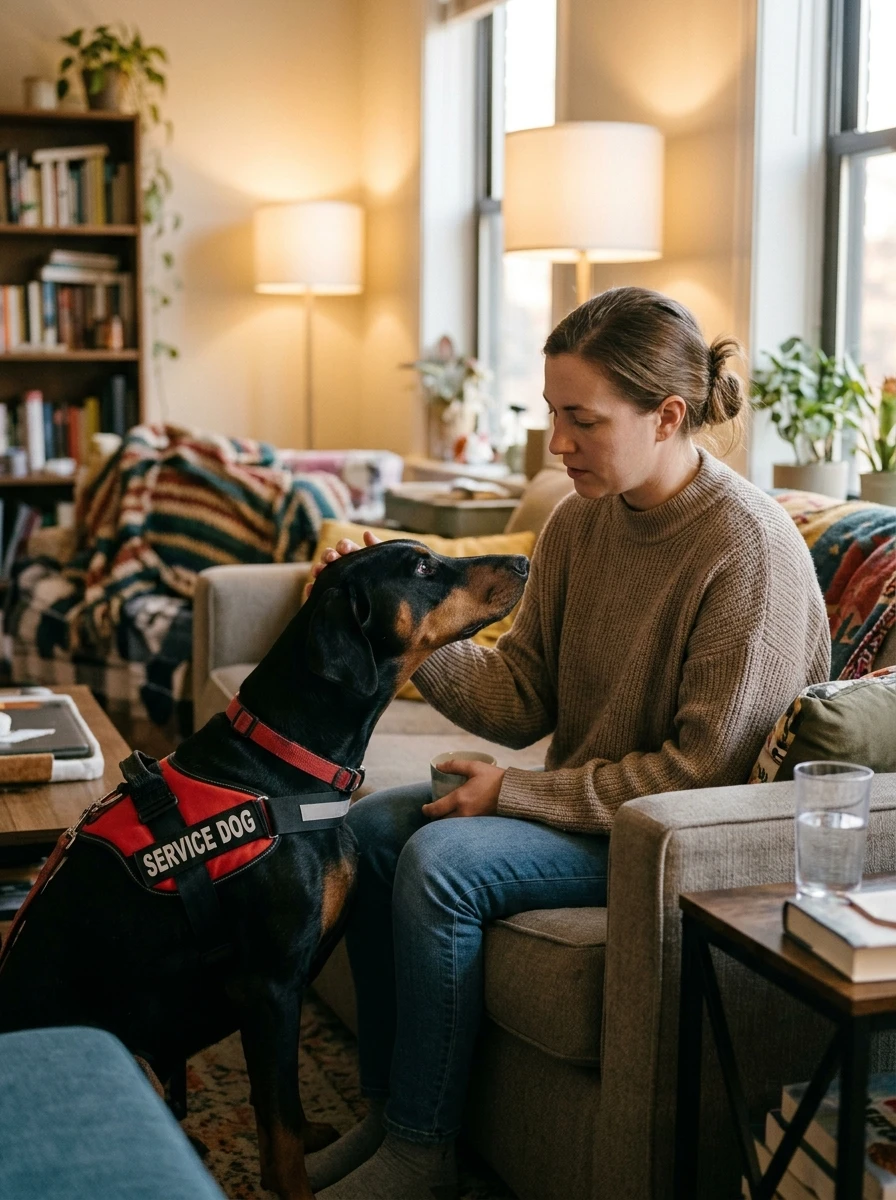
Vibe: Sleek, watchful, and intensely loyal, the dog that never misses a cue.
Why it works: Dobermans are fast learners with sharp senses and deep loyalty, which suits medical alert tasks, psychiatric work, and hearing alerts for handlers who want an attentive partner. Their short coat needs little grooming, and their athletic build covers long days.
How to get it: Plan 60 to 90 minutes of daily exercise plus mental work, and socialize widely as a puppy, since Dobermans bond hard to one person and can be wary of strangers. Choose a breeder who health-tests hearts, and work with a trainer experienced with the breed. They suit confident handlers who enjoy an intense, close partnership.
💡 Quick Win: Reward calm watching of strangers from a distance early, so alertness never turns into reactivity.
Shop The Look
Product Search
- Large breed multivitamin chews
- Calming compression wrap
- Winter coat for short-haired dogs
- Nail grinder tool
- Skin and coat oil supplement
20. Belgian Malinois: The High-Drive Specialist for Expert Handlers Only
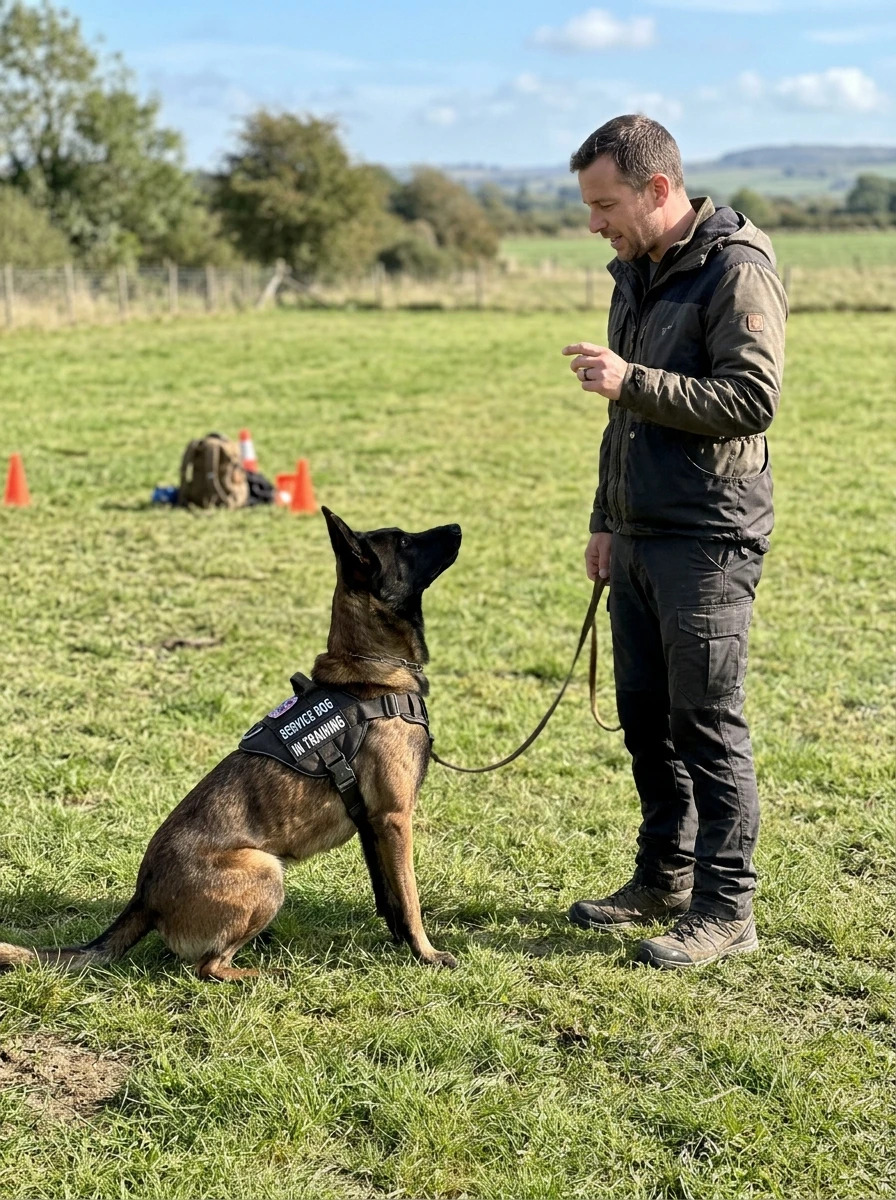
Vibe: Intense, tireless, and razor-focused, the specialist for experts only.
Why it works: Malinois bring extreme drive, speed, and precision, which suits demanding detection, alert, and multi-task work for handlers who train at a professional level. No breed works longer or harder once trained.
How to get it: This breed is not a first service dog. Plan 90 minutes or more of daily exercise plus serious training, and expect a dog that needs a job every single day. Without enough work, a Malinois becomes destructive and reactive, so only expert handlers with training experience should choose one. Work with a professional trainer from day one.
Shop The Look
Product Search
- Bite tug toy heavy duty
- Scent work starter kit
- High-drive fetch ball set
- Agility weave poles set
- Durable rubber chew ring
21. Vizsla: The Velcro Athlete for Active, Close Partnerships
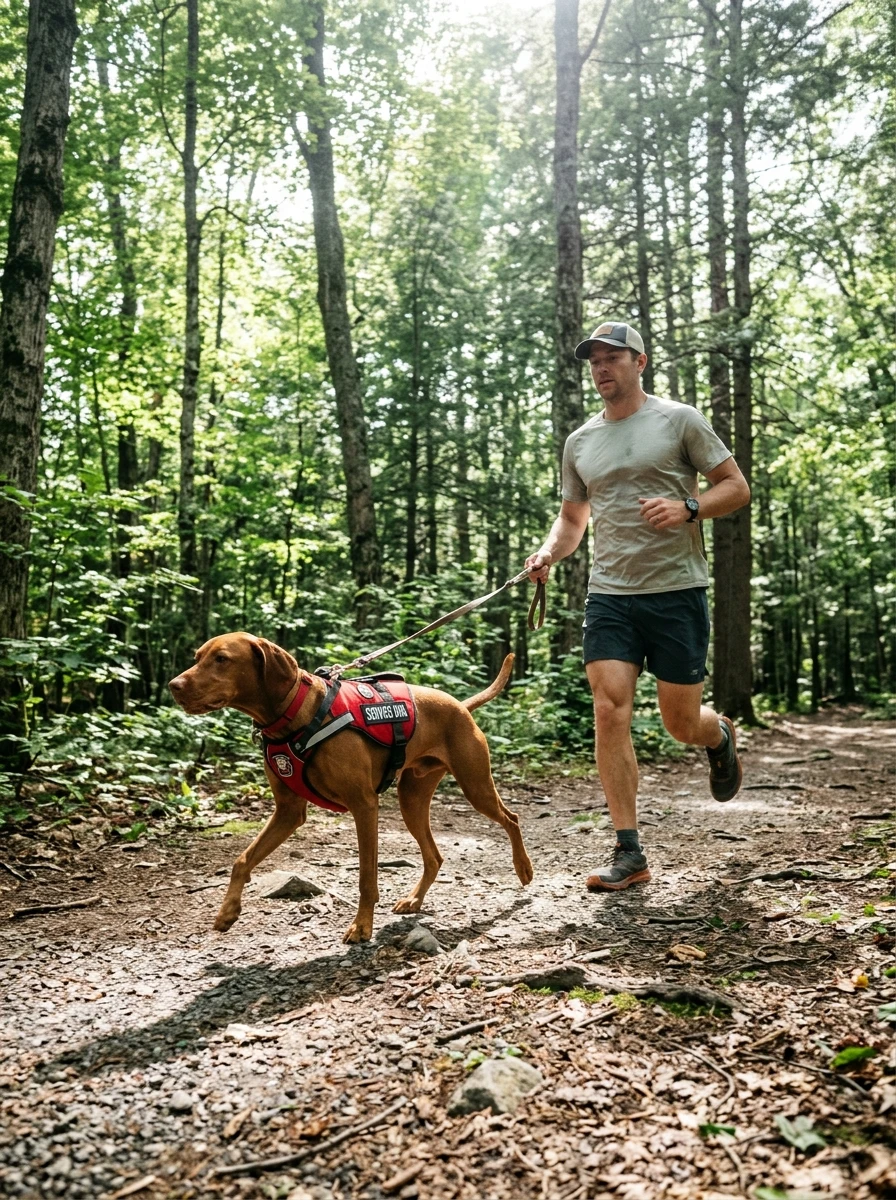
Vibe: Athletic, affectionate, and stuck to your side, the dog that calls itself your shadow.
Why it works: Vizslas bond intensely, move athletically, and read their handler’s mood well, which suits medical alert and psychiatric work for active people who want constant closeness. Their short coat needs little care, and their energy covers hiking, running, and long days out.
How to get it: Plan 60 to 90 minutes of daily running or off-leash exercise, since a bored Vizsla becomes anxious and destructive. Train alone-time tolerance early, because separation anxiety is the breed’s weak spot. They suit handlers who work from home or take the dog everywhere.
💡 Quick Win: Practice short, happy absences from week one, so closeness never turns into panic when you leave.
Shop The Look
Product Search
- Lightweight running leash
- Hands-free jogging belt
- Reflective running vest for dogs
- Collapsible water bowl for hikes
- Trail treat bag
22. Smooth Collie: The Classic, Calm All-Rounder for Family Homes
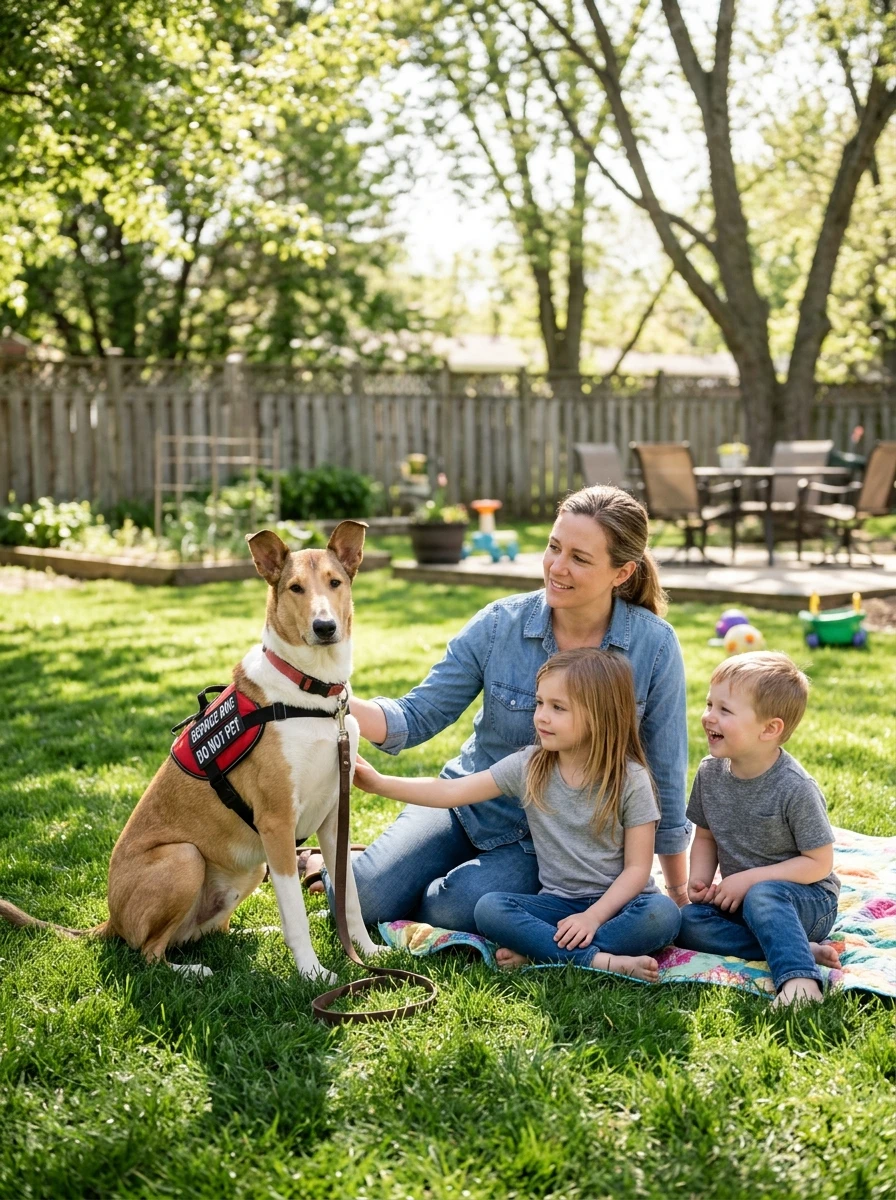
Vibe: Gentle, smart, and famously reliable, the classic assistance breed for families.
Why it works: Collies have a long history in assistance work, with a calm temperament, strong trainability, and a gentle way with children. Their medium-large size handles light mobility tasks, and their sensitivity suits psychiatric and hearing work in family homes.
How to get it: Choose the smooth coat if you want easier grooming than the rough coat, with weekly brushing sufficing. Plan 45 to 60 minutes of daily exercise, and train with gentle methods, since Collies are sensitive to harsh corrections. Check local service-dog rules before public work, and work with a qualified trainer on task training.
Shop The Look
Product Search
- Service dog cape with patches
- Double-ended training leash
- Gear bag for service dogs
- Portable water dish clip-on
- Vest patch set custom wording
How to Start Your Service Dog Journey
Start with the tasks you need, not with a breed you fancy. Write down the three tasks that would change your daily life most, such as retrieving dropped items, interrupting anxiety, or alerting to sounds, then match those tasks to size, energy, and coat needs before shortlisting breeds. That first move keeps the choice practical, since a dog that fits your tasks and your home is far more likely to succeed than a dog chosen for looks alone. The most common mistake is picking a breed for appearance or reputation, then discovering its energy, grooming, or size does not fit your life, which wastes months of training. Three budget items under $50 cover nearly everything to begin: a treat pouch, a 30-foot long line for recall training, and a slicker brush matched to your dog’s coat. Expect the first year to focus on manners, socialization, and basic obedience, with task training building on that base, and expect full reliability to take 18 to 24 months. Service-dog qualification rules and public-access rights vary by country and region, so check local rules and work with a qualified trainer before starting public work. Keep training sessions short and rewarding, and enjoy the day your dog performs its first real task without being asked.
FAQs
How do I know if a breed will qualify as a service dog?
No breed qualifies on its own, since qualification depends on the individual dog’s temperament, health, and training, not its pedigree. A calm, confident, healthy dog that loves to learn has a far better chance than a nervous or reactive dog of a famous service breed. Reputable programs test puppies for sound sensitivity, recovery from surprises, and willingness to work before training begins. If you are choosing your own puppy, ask a qualified trainer to assess temperament at 7 to 8 weeks and again during adolescence.
How long does service dog training take?
Most service dogs take 18 to 24 months from puppyhood to reliable public work, including socialization, basic obedience, public manners, and task training. Owner-training with professional help follows a similar timeline, though it depends on the handler’s experience and the complexity of the tasks. Psychiatric and medical alert tasks often take longer to proof, since the dog must respond reliably under stress and distraction. Rushing the timeline usually backfires, since gaps in manners show up exactly when reliability matters most.
Can a small breed be a service dog?
Yes, small breeds make excellent service dogs for tasks that do not need size or strength, such as hearing alerts, medical alerts, and psychiatric support. A Papillon can alert to a doorbell, a Cavalier can perform deep pressure therapy in a lap, and a Miniature Poodle can learn complex alert chains. Small dogs also travel more easily and fit apartments, offices, and small cars. They are not suited to bracing, pulling, or heavy retrieving, so match the task list to the dog’s body before choosing.
Do service dogs need to be certified or registered?
Rules vary by country and region, and there is no single worldwide service-dog registry or certificate that applies everywhere. Some places require no paperwork at all, while others have their own assessment, identification, or program standards, so owners should check local rules rather than buying an online certificate. What matters most in daily life is the dog’s training: a calm, task-trained dog that behaves well in public faces fewer questions than any paper. Work with a qualified trainer and keep training records, since documentation of real training is more useful than a purchased ID card.
How much does a trained service dog cost?
Costs vary widely, from a few thousand dollars for owner-training with professional guidance to tens of thousands through a full training program. The puppy or rescue dog itself, vet care, food, gear, and trainer fees all add up, and ongoing costs continue after training ends. Some charities provide dogs at low or no cost to qualifying handlers, though waiting lists can run for years. Before committing, budget for the full 18 to 24 months of training, not just the price of the puppy.
Your Lifestyle, Their Calling, Is Waiting
Across these 22 Best Service Dog Breeds for Every Lifestyle you have covered retrievers, shepherds, poodles, doodles, herding breeds, spaniels, tiny listeners, and gentle giants, a full range of partners for guide work, mobility support, hearing alerts, medical alerts, and psychiatric tasks. Start small rather than trying to choose in one sitting, and let your daily tasks and your home guide the shortlist. Today, write down the three tasks that would change your life most and the hours you can truly give to exercise and training, so you know your real needs before meeting a single puppy. That single evening of honest planning can turn a long search into a focused one, and the right dog, trained task by task, can give you back freedom you stopped expecting. Save this guide and pin it for your next step, so your future partner is never far away.


